A note on this article.1
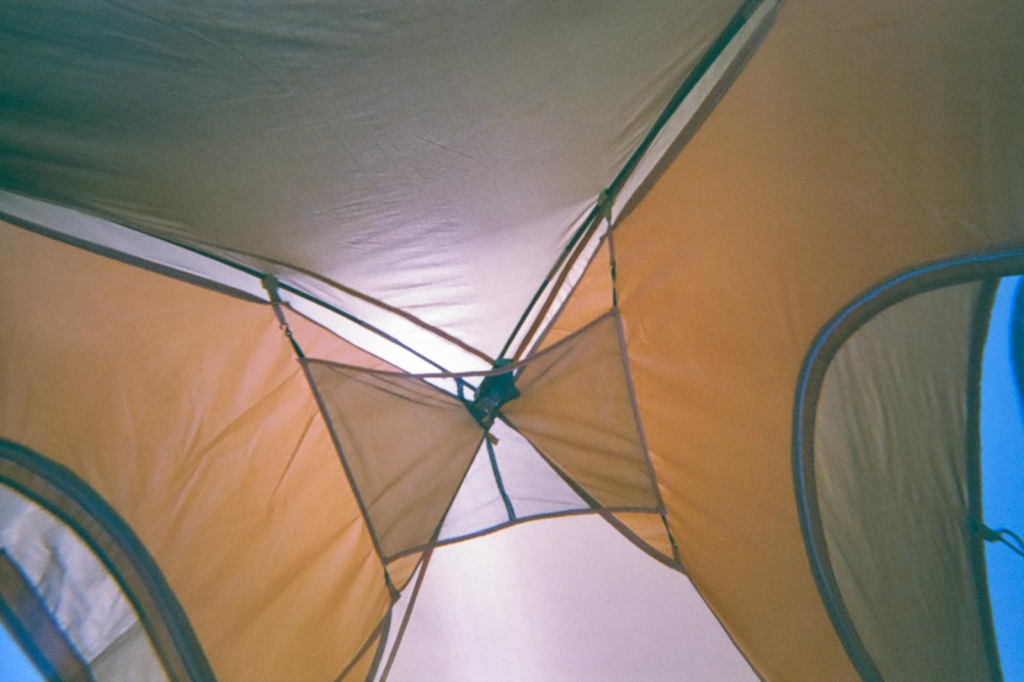
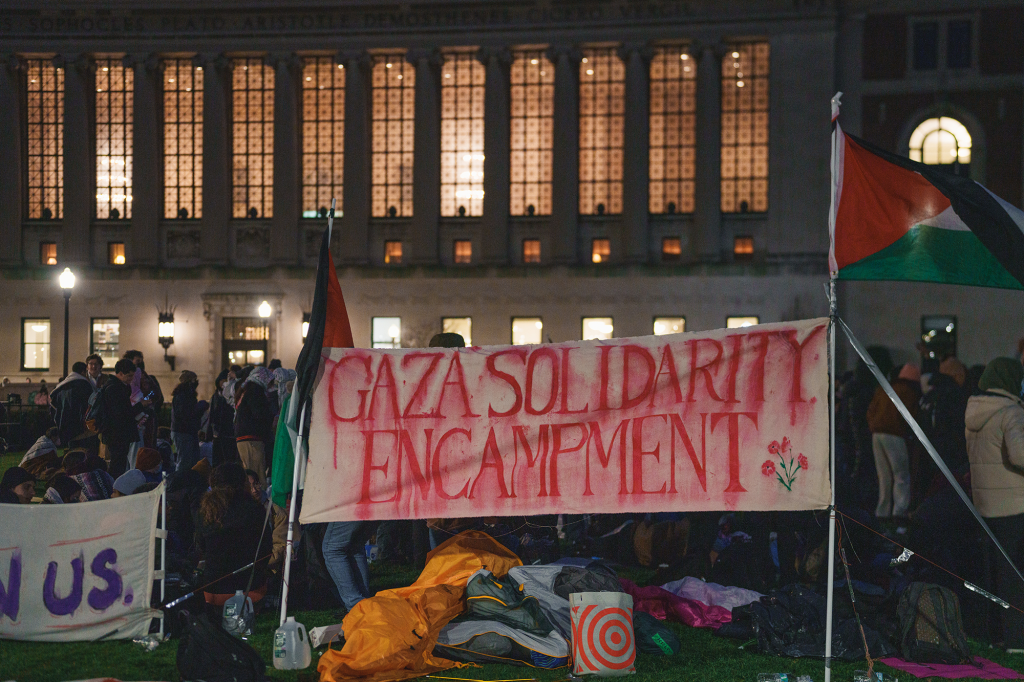
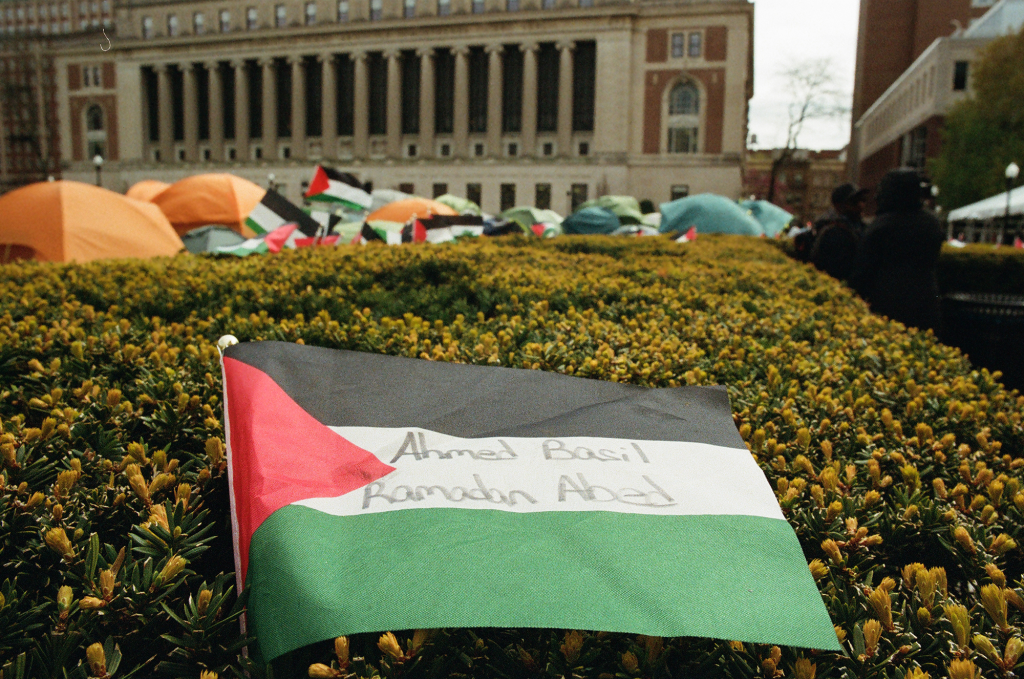
In the early morning of April 17, 2024, approximately 5,675 miles from Gaza, four months after the Israeli Occupation Forces bombed al-Israa University, the last university on the Strip, organizers pitched their first tents on the South Lawn here at Columbia University. Welcome to the Gaza Solidarity Encampment, the People’s University for Palestine, as photographed and memorialized by community members across Columbia, New York City, and beyond.
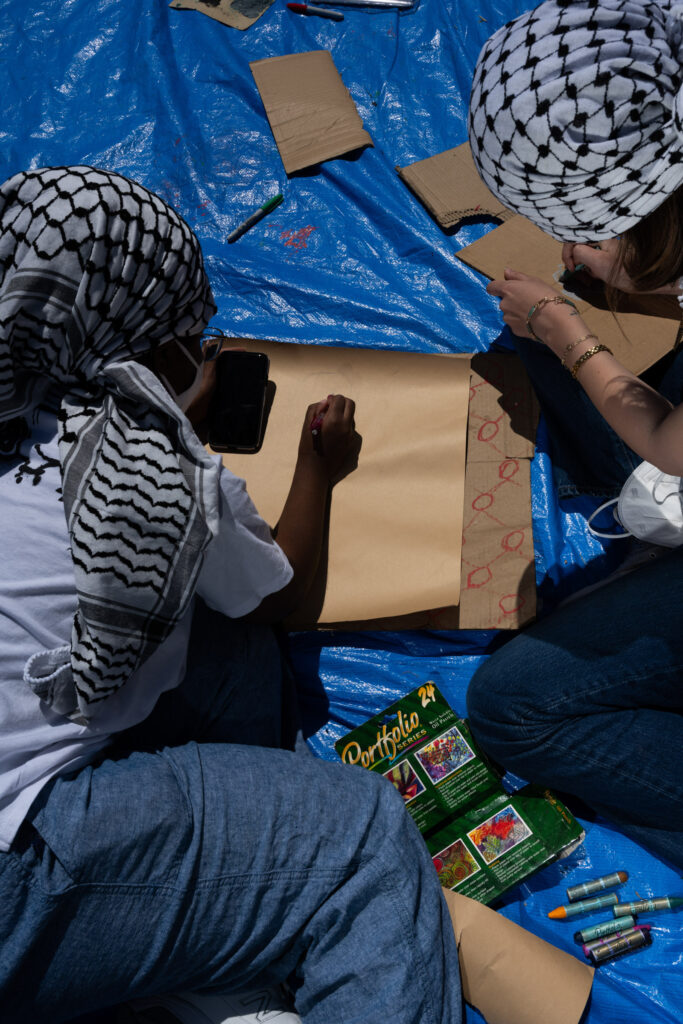
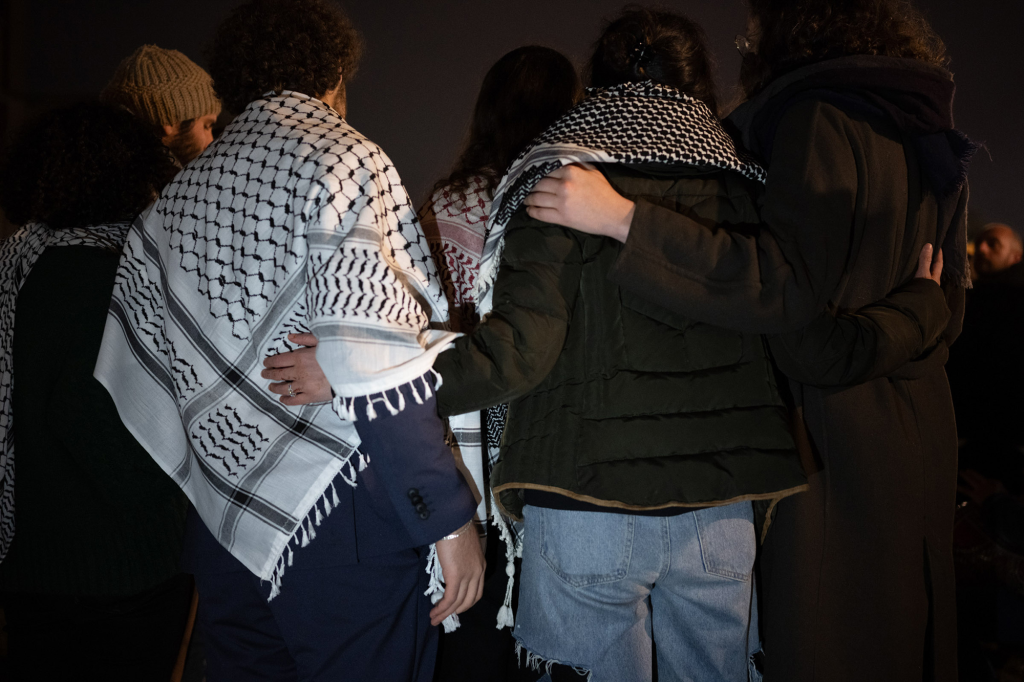
These photographs stood out to me initially because their soft, dreamlike quality presented a stark contrast to media depictions of the encampment as hateful, combative, exclusionary. I remember differently. For almost two weeks, the encampment was a place for prayer, nourishment, art-making, reading, writing, performance. Arms full of metal trays parading past the tents. City slicker eyes stinging from allergies, unaccustomed to the hours outside. Blankets counted, books sorted, songs sung.
But I recognize a romantic view of student protest will have the undesirable effect of “beautifying” its history. Such an effect obscures the violence that necessitated drastic acts of care to begin with. Not pictured here, of course, are the ugly episodes that punctuated the rhythm of camp life. Among others, these include: the first sweep of the camp; the (ultimately empty) threat to call in the National Guard; the specter of Kent State; the phone call between then-President Minouche Shafik and then-Mayor Eric Adams; the sweep of Hind’s Hall; the riot police University administration invited to campus with their shields and batons; the tank and ladder rolling up Amsterdam Avenue; Proud Boys banging at the gates on 116th Street with impunity.2
In this photo essay, I do not intend to recall “what really happened.” That will never be any one individual’s story to tell. This is a different kind of exercise, an interrogation between what is pictured and what is not. This tension, I believe, contains what this encampment taught the wider Columbia and Barnard community about the coterminous relationship between care and violence. In the words of Bernice Fisher and Joan C. Tronto,
Caring [is] a species activity that includes everything that we do to maintain, continue, and repair our ‘world’ so that we can live in it as well as possible. That world includes our bodies, our selves, and our environment, all of which we seek to interweave in a complex, life-sustaining web.3
These photographs suggest the repetitive labor of writing names of murdered Palestinian children on flags; the hours spent collecting supplies; reading, writing, and praying; the pleasures and dangers of the simple act of reclaiming space. Taken together, I hope, these photographs gesture toward the new roadmap for caring in the belly of the beast, as modeled by the Gaza Solidarity Encampment.
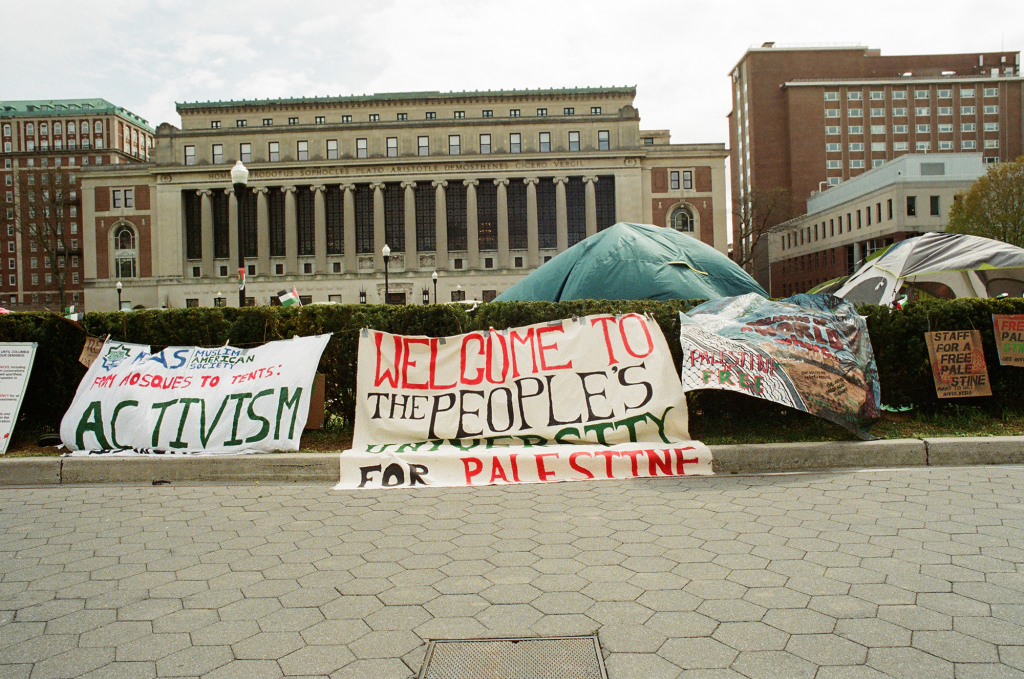
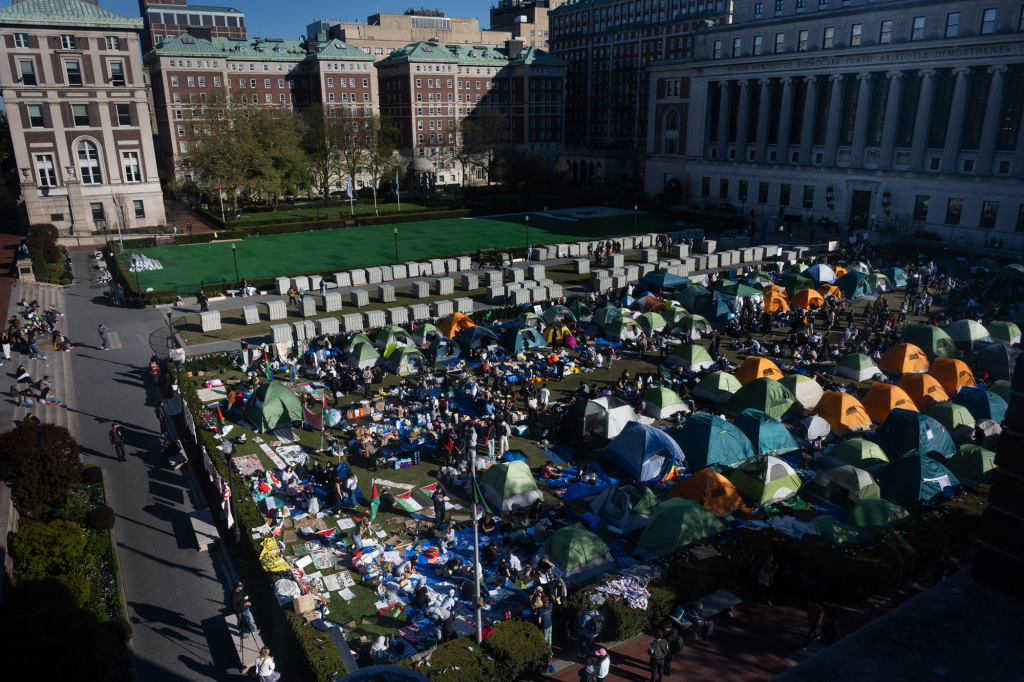
Across campuses, cultural institutions, and political organizations, people of conscience recommitted to the fight for a free Palestine in 2023–24. They learned about and drew on a history of protesting war profiteering, apartheid, and genocide in Israel and elsewhere. Across generations, community members at Columbia and Barnard recognized their direct complicity in institutions which prevented that freedom. In 2002, faculty at Columbia and Barnard led a petition to divest from all companies that manufacture arms and other military hardware to Israel.4 In 2016, 2018, and 2020 undergraduate and graduate students led several university-wide referenda encouraging the same.5 Come spring of 2024, after a year of protests, marches, vigils, and art builds, the Gaza Solidarity Encampment only drew into sharp relief a crisis of the university’s own making.6 By continuing to invest its bloated endowment in rifles, dumb bombs, and fighter jets, Columbia had normalized and profited from the apartheid and genocide of Palestinians.
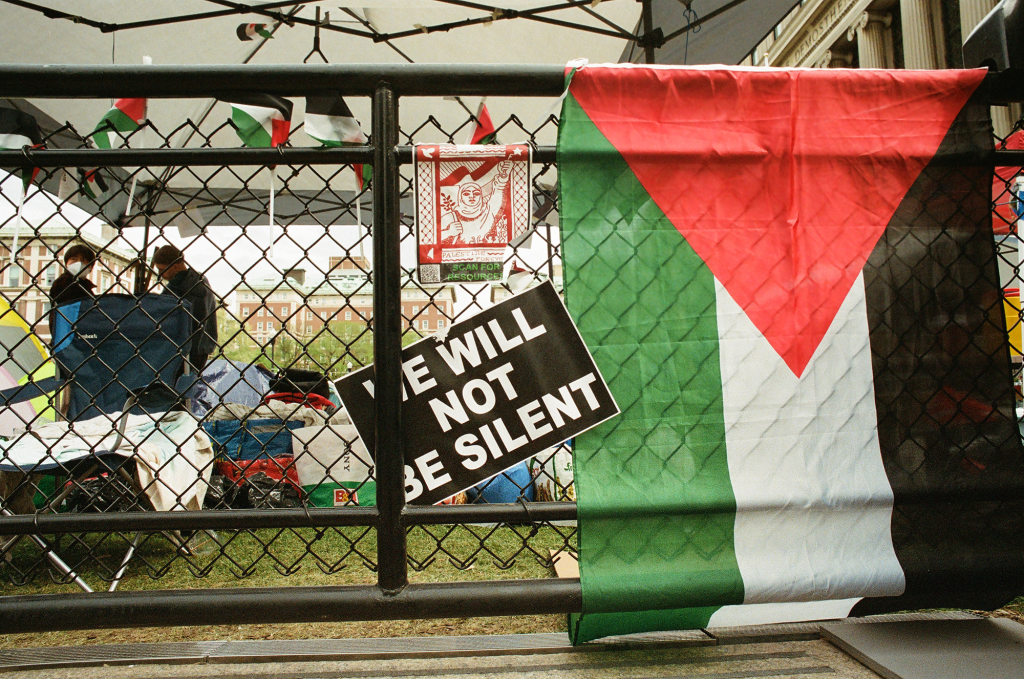
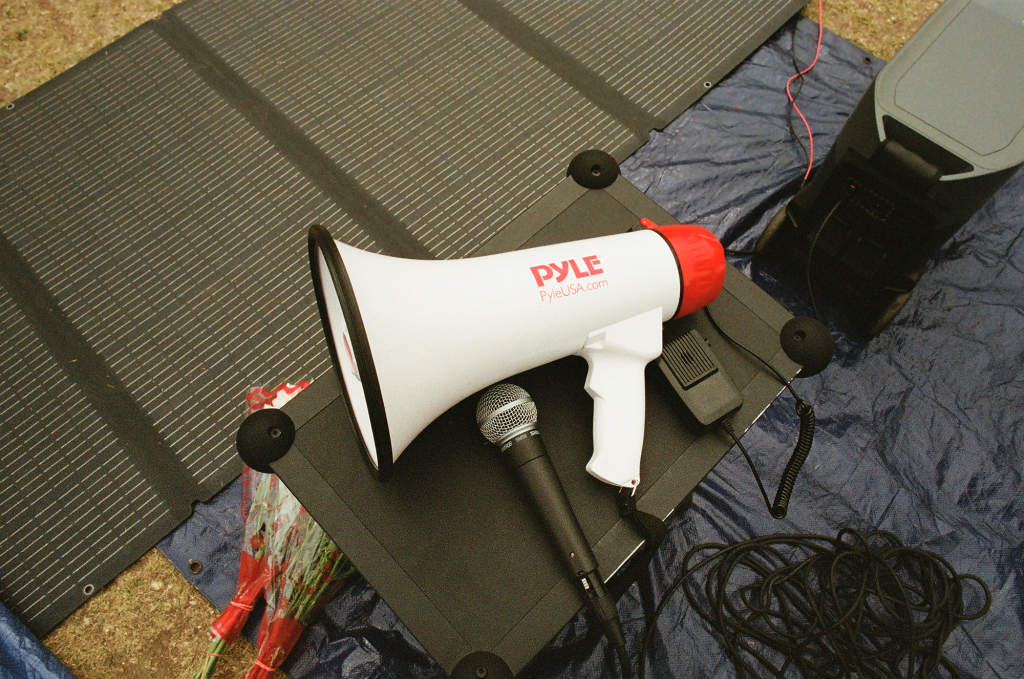
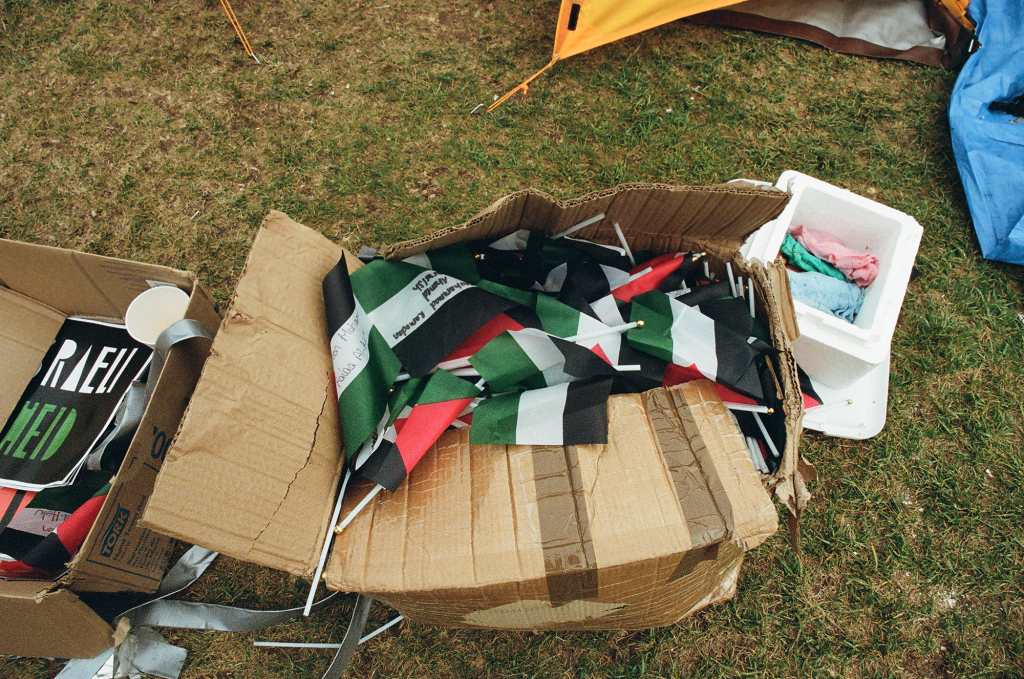
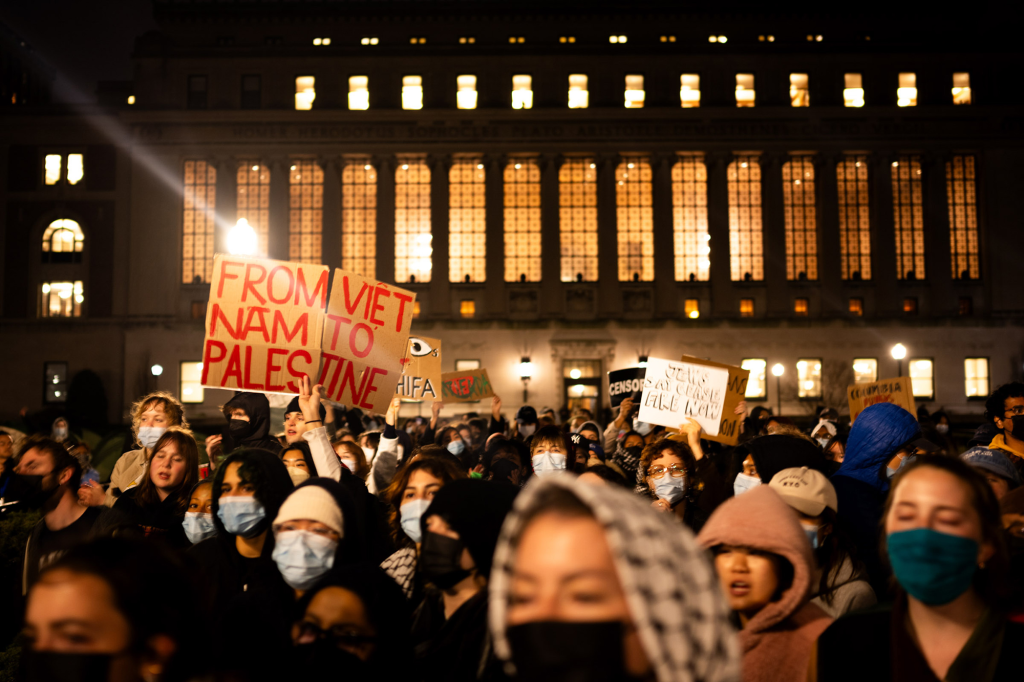
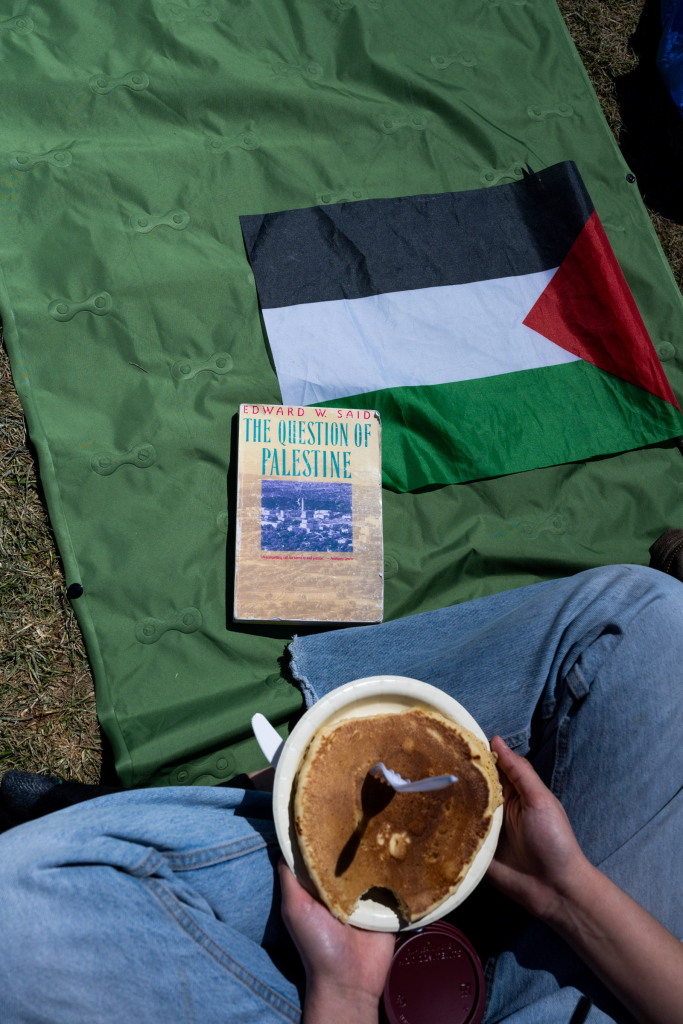
As students and teachers at the People’s University for Palestine, encampment community members refused the temporary privileges they received as Columbia and Barnard students. In doing so, they re-mapped the species activity of caring. Setting up camp at the center of campus was an unmissable act of defiance, an overt rejection of the neoliberal university’s slipshod rituals for private soothing. Blending community building practices with political action, the encampment reclaimed the very same lawn that now houses listening tables, private security contractors, and the occasional bouncy house during midterms.
Caring also meant recognizing the contradictions of organizing in an elite institution, in New York City, in the United States. Indeed, the care labors of sharing hot meals, fruits, sunscreen, medicines, and other supplies in the encampment often made plain the deprivation in Gaza. To be more precise, much of the encampment was made possible by the same flows of wealth and power that starve and oppress Palestinians. This meant that caring demanded a direct confrontation with one’s own place in the machinery of imperialism. This is why, on April 29, when negotiations with the university collapsed, the actionists who reclaimed Hind’s Hall endeavored to show the world the “iron fist inside [Columbia’s] velvet glove.”7
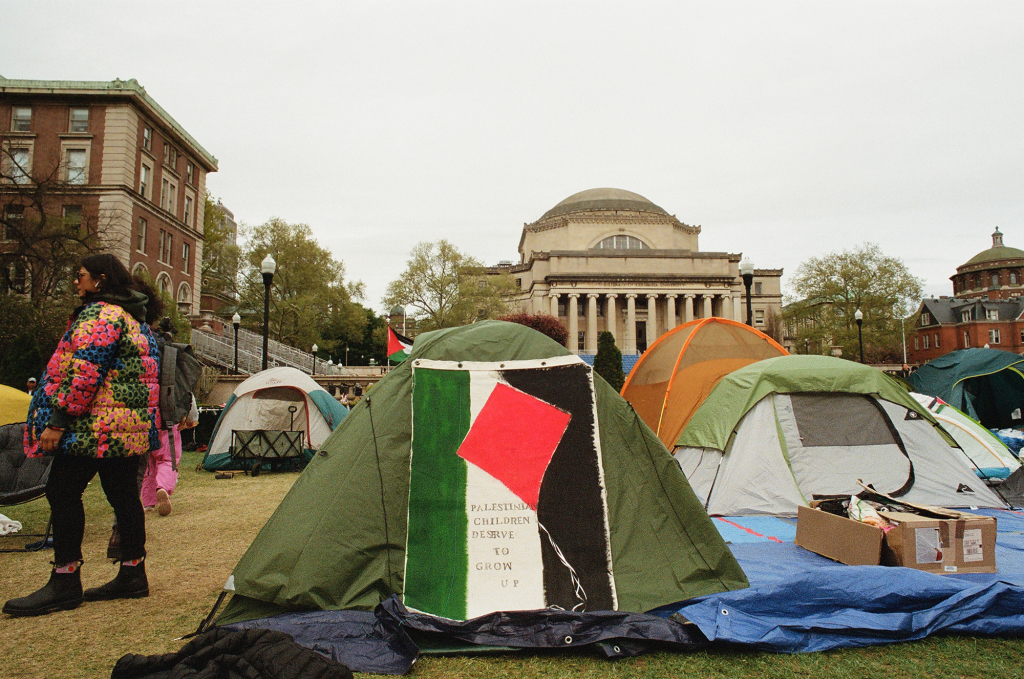
Such a drastic, spectacular act of caring demanded that we exhume the depths of American investment in the destruction of Palestinian life. There is no reason the long-term financial health of Columbia must be tied to companies profiting from apartheid, genocide, and weapons manufacturing. There are no exceptions to Columbia’s anti-discrimination policies that could provide for the university’s partnerships with academic institutions that would deny access to Palestinian students. And yet these acts of care came at a cost. Many actionists faced arrests, suspension, expulsion, and the revocation of their degrees. Discipline also often resulted in further loss: student housing, healthcare, and, for many, sources of income. The same visibility they commanded also made them vulnerable to doxxing.
As of March 2026, the Ministry of Health in Gaza reports at least 72,265 Palestinians killed in the Gaza Strip.8 Meanwhile, Columbia has not renounced its ties to Israeli political and military aggression.9 Despite the ceasefire agreement in October 2025, 611 Palestinians have been killed, and 1,630 injured.10 The Office of the High Commissioner has also sounded alarms over ethnic cleansing by Israeli authorities and settlers in the occupied West Bank. As of January 2026, fewer than half of Gaza’s hospitals are partially functional.11 This has been the case since August 2025. Hospitals are overwhelmed, particularly from injuries sustained in food distribution areas. Most hospitals have been bombed into obsolescence. Additional threats of malnutrition and meningitis further imperil an already collapsed public health infrastructure.
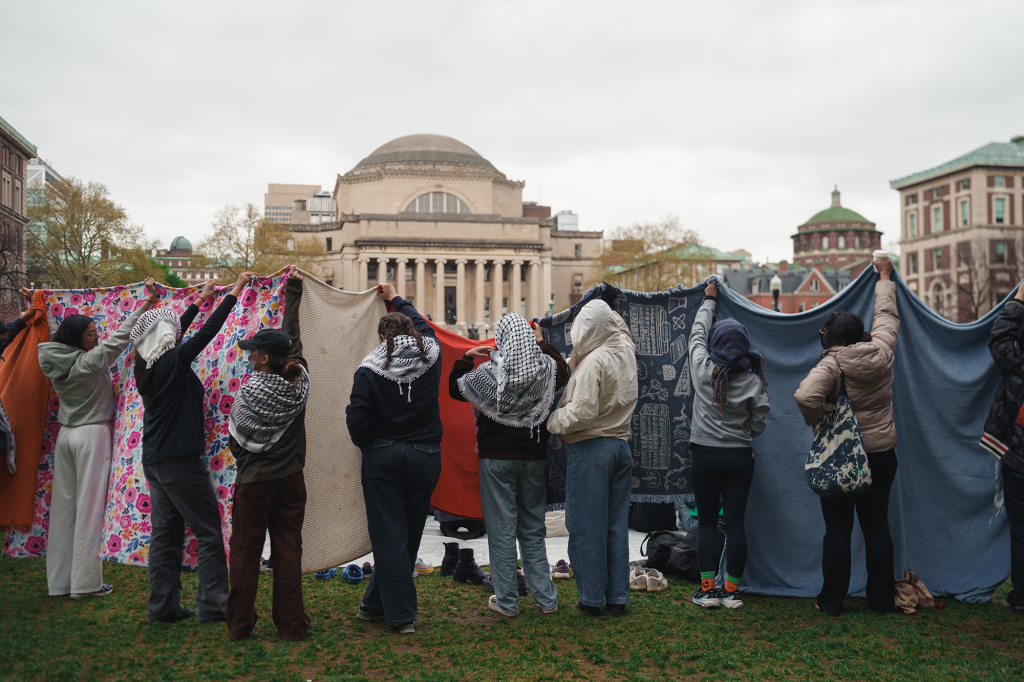
Historians like to contain the memory of social movements within the narrow scope of their demands, often to measure and evaluate successes and failures. To be sure, the demands of the Gaza Solidarity Encampments were feasible and rational, if not for the obstinance of the Board of Trustees and pressure from donors. We enter a second spring in which the gates remained locked to community members; in which students, staff, and faculty must tap their IDs at permanently gray boxes stationed at the entrance; in which we head to classes, labs, lectures, and meetings under surveillance by dozens of new cameras. Remembered this way, one must only be left with the question: did the encampment succeed?
These photographs steer us from the trappings of such a crude rendering of their history. They inspire a different question: what can we do to sustain life? They pose direct challenges to political actors, institutions, and states which destroy life. Resistance by and in solidarity with oppressed peoples, in all its manifest forms. These, fundamentally, are acts of care.
Endnotes
- The author is a former affiliate of Columbia University who has chosen to remain anonymous due to ongoing doxing efforts against them.[↑]
- On the arrest of protesters on April 18, 2024, see Tazbia Fatima and Gwynne Hogan, “Dozens of Columbia Students at Pro-Palestine Encampment Arrested by NYPD,” The City, April 18, 2024, https://www.thecity.nyc/2024/04/18/columbia-students-arrests-palestine-israel-encampment-nypd/; on Columbia’s threat to deploy the National Guard, the University and Governor Kathy Hochul have denied claims that they threatened to call the National Guard, but numerous sources, including the encampment negotiators, reported the threat: “Columbia University threatens to deploy National Guard to evict Gaza Solidarity Encampment,” People’s Dispatch, April 24, 2024, https://peoplesdispatch.org/2024/04/24/columbia-university-threatens-to-deploy-national-guard-to-evict-gaza-solidarity-encampment/; Muslim Public Affairs Council, “MPAC Condemns Calls for the National Guard to be Deployed Against Student Protestors,” April 24, 2024, https://archive.mpac.org/statements/mpac-condemns-calls-for-the-national-guard-to-be-deployed-against-student-protestors/; on the phone call between Minouche Shafik and Eric Adams, see Hannah Natanson and Emmanuel Felton, “Business Titans Privately Urged NYC Mayor to Use Police on Columbia Protesters, Chats Show,” Washington Post, May 16, 2024, https://www.washingtonpost.com/nation/2024/05/16/business-leaders-chat-group-eric-adams-columbia-protesters/; Jake Offenhartz, Joseph B. Frederick, and Stefanie Dazio, “Police Clear Pro-Palestinian Protesters from Columbia University’s Hamilton Hall,” Associated Press, May 1, 2024, https://apnews.com/article/israel-palestinian-campus-student-protests-war-8b0d3a0cedb17f5e892c6ca43bbdf628; on the presence of the Proud Boys near campus, see Bwog Staff, “Gavis McInnes, Founder of the Proud Boys, Seen on Columbia’s Campus on Wednesday,” Bwog, April 25, 2024, https://bwog.com/2024/04/gavin-mcinnes-founder-of-the-proud-boys-seen-on-columbias-campus-on-wednesday/.[↑]
- Bernice Fisher and Joan C. Tronto, “Toward a Feminist Theory of Care,” in Circles of Care: Work and Identity in Women’s Lives, ed. Emily K. Abel and Margaret K. Nelson, State University of New York Press, 1990.[↑]
- Telis Demos, “Petition Demands Divestiture from Israel,” Columbia Daily Spectator, October 30, 2002, https://www.columbiaspectator.com/2002/10/30/petition-demands-divestiture-israel/.[↑]
- Auburi Juhasz, “Barnard SGA Referendum on Divestment from Companies with Ties to Israel Passes with 64 Percent Support,” Columbia Daily Spectator, April 18, 2018, https://www.columbiaspectator.com/news/2018/04/18/barnard-sga-referendum-on-divestment-from-israeli-companies-passes-with-64-support/; “Columbia College Passes Historic Vote on Divestment from Israel,” The Morningside Post, October 5, 2020, https://morningsidepost.com/articles/2020/10/5/columbia-college-passes-historic-vote-on-divestment-from-israel.[↑]
- Student journalists at Columbia’s Daily Spectator and radio WKCR-FM led extensive coverage of the April 2024 Gaza Solidarity Encampment. See Isha Banerjee, “Timeline: The ‘Gaza Solidarity Encampment,’” Columbia Daily Spectator, May 2, 2024, https://www.columbiaspectator.com/news/2024/05/02/timeline-the-gaza-solidarity-encampment/.[↑]
- The People of Hind’s Hall, “From Harlem to Palestine: Globalize the Intifada,” The New Inquiry, May 10, 2024, https://thenewinquiry.com/from-harlem-to-palestine-globalize-the-intifada/.[↑]
- United Nations Relief and Works Agency for Palestine Refugees in the Near East (UNRWA), Situation Report #215, March 31, 2026, https://www.unrwa.org/resources/reports/unrwa-situation-report-215-humanitarian-crisis-gaza-strip-and-occupied-west-bank.[↑]
- In November 2025, the Advisory Committee on Socially Responsible Investing (ACSRI) responded to three proposals by an autonomous group of Columbia students, faculty, staff, alumni, and community members. They wrote that the proposals do not meet standard of “broad consensus” among the community to warrant divestment. See, ACSRI, “Statement on Proposal #1,” Columbia University, November 14, 2025; ACSRI, “Statement on Proposal #2,” Columbia University, November 14, 2025; and ACSRI, “Statement on Proposal #3,” Columbia University, November 14, 2025, https://www.finance.columbia.edu/content/recent-news-archival-highlights.[↑]
- UNRWA, Situation Report #210.[↑]
- UNRWA, Situation Report #205, January 21, 2026, https://www.unrwa.org/resources/reports/unrwa-situation-report-205-situation-gaza-strip-and-west-bank-including-east-jerusalem; UNRWA, “Gaza Health System ‘Catastrophic’ with Hospitals Overwhelmed and Medicines Running out, WHO Wwarns,” August 12, 2025, https://news.un.org/en/story/2025/08/1165631#:~:text=Public%20health%20conditions%20in%20Gaza,at%20over%20300%20per%20cent.[↑]